
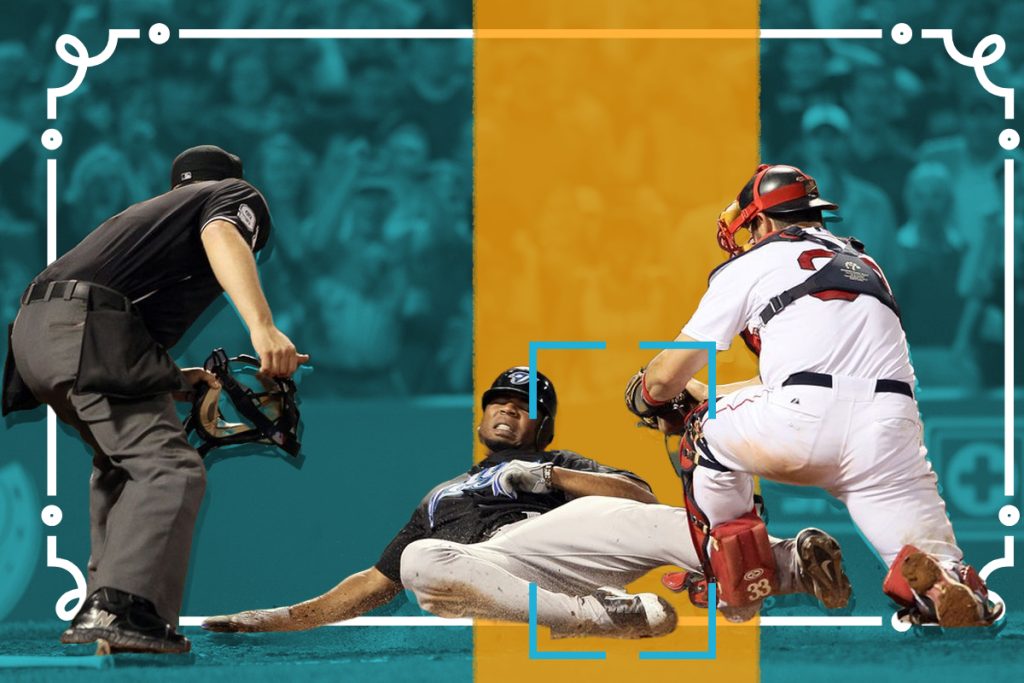
How to become an umpire? That is the million dollar question. In just a few steps and start your journey of being part of the blue brotherhood. With help and expert advice, you can avoid some pitfalls that new umpires fall into. Here are some great tips on becoming an umpire.
Being at High School Clinic
Instead of picking up poor habits from a lower-level assignor or house league (Babe Ruth and Young Travel Baseball), you should begin your umpire journey with a solid foundation. Going to a low-paying assignor who gives you lower-level games is a huge mistake. This is a dead end. Research what leagues pay and start with high school games as your entry point. The high school clinic using IHSA and NFHS rules is the solid umpire base you need. From here, you can get the experience you need to do any level game.
The local high school clinic features instruction, rules help and above all a large group of umpires that you can network with. The UMPS Training organization trains individuals of all ages to become an umpire. The clinic will take you through both new rules and the mechanics of calling a game. The high school clinic has tracks for brand new umpires as well as a level 2 track for those with a couple year’s experience under their belt. This is the best way I know how to become an umpire.
Study the Rules
This can’t be done with help. Without the rules you can not become an umpire. Before you get into the clinic, start to look online for resources such as the Umpire Bible and the NFHS Baseball website so that you can begin to gather your rules knowledge. Just because you like baseball or watch the MLB games, does not give you the rules base you need to be a successful umpire. Start off with the rules and pick out small sections to work on. Do not try to learn everything in a day, but rather take bite-sized chunks and use the resources to find videos, rules breakdowns and examples. For instance, start with when a batter becomes a runner and the runner’s lane in high school baseball. This will be pretty much the same at all levels. You already have two definitions for a single player, batter and baserunner. When does the batter become a baserunner. Look at how the UmpireBible is laid out and that will give you a clue as to the topics that will be covered at your up-coming clinic. You don’t need to be an expert before the clinic, but you do need to get used to diving into the rules book. Definitely go through and get an overview for your first experience.
At the Umpire Clinic
This will be easy. Umpires are very helpful and welcoming to those that are new and coming into the trade. When you check in, or even before the clinic, you should contact your umpire group (use your new umpire interest form). Don’t pretend you are experienced or good. Ask for help and you will get it. There is no way to pretend you are an experienced umpire. Even if you played D1 baseball and were in the minor leagues as a player, you will suffer if you pretend like you know umpiring. The more you ask, the more you will blast out of the gate. Studying rules, working with mentors and other umpires, eating the rules book and devouring games are the best way to create a strong first season.
To become a baseball umpire you really must hit the clinic your first couple of years. At the umpire clinic, you need to meet with the local umpire assignor to get games. Get games. You need to ask and be real about your level of umpiring. Following the clinic, there will be umpire associations you can join where they will walk you through rules, discuss baseball play videos and they will onboard you to the rules. The two places to get baseball game assignments are at the clinic – find them! The other place to get baseball games is to talk with other umpires at the local association meeting. These usually run 5 weeks or so and can be online. The dues are well worth it as this association will be very helpful in getting you certified for umpiring high school games. With this certification, you will be able to work for higher paying games when you start out.
Many clinics feature vendors for gear. Read our Gearing Up to Become a Baseball Umpire article and get ready at your clinic to get the plate and base gear you need for the season.
Ask Who the Bad Assignor Is (or the cheap assignor)!
They exist everywhere. Ask the name of bad assignors at your clinic so you know who to avoid. Like fake watch salespeople, the cheap assignors will try to take advantage of new umpires. They will say things you want to hear. They make claims that are not going to help you and they put you in a bad track. The truth is, they keep a larger-than-normal fee from YOUR game, and pay you less.
A total waste of time as an umpire. They under-pay and starting in this group will put you behind. Getting certified and working with the better associations and assignors in the area will set your sights higher and you will make more money. While pay isn’t the one sign, unprofessional umpires showing up (or not showing up) to work with you, undependable working partners and also worse baseball will plague you in your attempt to become an umpire. UMPS has been in the business of training umpires for over 55 years.
Don’t fall for bait and switch rates. You should know what your game fee is. If a lower rate is offered to you than was advertised – you are being taken advantage of. Bad assignors will state one higher pay rate per game and then switch you to another rate – “until you train” or until you become a “level 2 umpire”. The IHSA raised new umpire rates to $65 a game. Lower level rates very but don’t fall for the switch rates that are exceedingly low – start your career at games around $65 each – don’t settle for less.
Become An Umpire Today
Fill out our umpire interest form and start the awesome journey.
